Posts

Blog Post 3

Image
Introduction: This is a unit my CT and I discussed to teach this semester at Riverside University High School in the graduation-required senior Economics course. My CT taught a similar unit in the past, and he showed me his own version of a DBQ (Document Based Question) that worked well with students but focused on the tax costs of our criminal justice system, so I wanted to provide a set of texts that focuses on the societal and individual costs of crime and the economic decision-making process that goes into participating in illegal activity. The students in these classes are all between 16 and 18, about 60% black, 20% latino, 10% asian and 10% white. Students live within 6 miles of the school, but I have not found any major areas that they come from. 95% of Riverside students are on free or reduced lunch, so from that I would gather many are lower SES. I only know this anecdotally, but many of my students come from single parent households or live with multiple generations in one ho...
Blog Post 2: Getting Started

Image
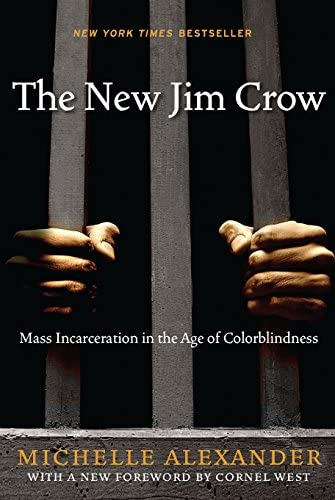
  Getting Started It is apparent to me that the current state of incarceration in the United States is not  exemplary of progress towards a "more perfect Union" . Looking into any basic statistics ( 1 , 2 ) about the prison system in the United States it becomes apparent that this is not a phenomena that impacts all types of people equally.  To be open, some positions I hold are: 1. Crime is not an inherent part of a society or component to "human nature". Crime is a social phenomena. Social phenomena are inherently linked to the material conditions of a society.  2. No person should be stripped of their human rights and dignity. 3. The current form of punitive justice is not the way to rehabilitate our neighbors, family and friends into society. To Angela Davis' question , yes. I never expect my students to hold my own beliefs about the world. So, given my positions, my purpose in this inquiry is to find sources that allow the students to come to their own conc...

Introduction

  Welcome to my blog My name is Maximillian Wildenhaus (he/him) and though it has taken me a few years, I am on my way to becoming a licensed Social Studies teacher. I finished my undergraduate degree in 2017 in Film Studies and Comparative Cultural Studies and got my MFA in 2019 at UWM's department of Film, Video, Animation and New Genres. After teaching at UWM for a total of five years and loving it, I decided to pursue a more accessible field of education (until higher education is determined to be a right for our citizens and is completely publicly funded). I have chosen social studies as my field since the (broad) field has given me the tools to understand the world and my place in it.